
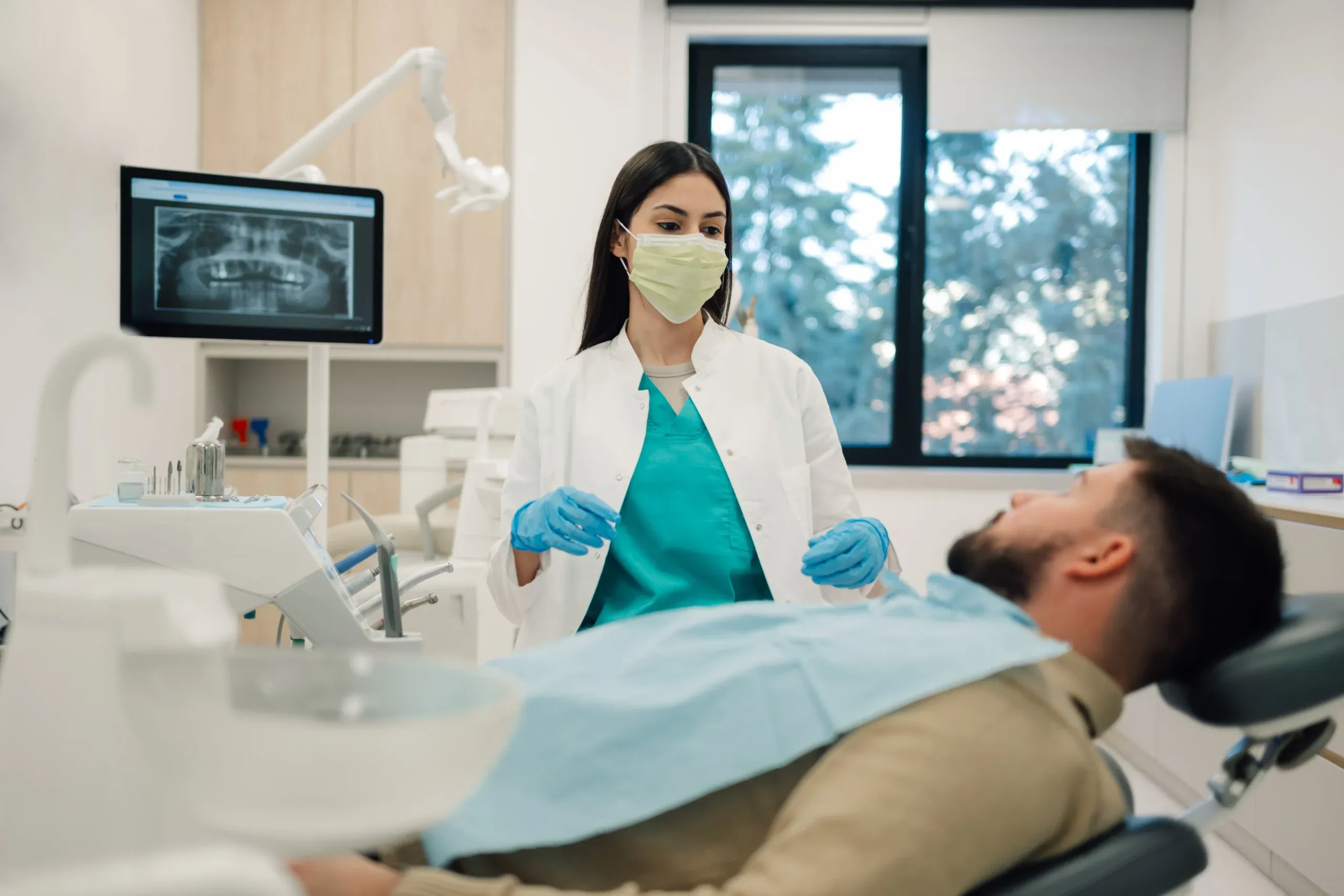
 That racing heart before an appointment, the urge to cancel at the last minute, the sleepless night before a cleaning. If any of this sounds familiar, you are far from alone. Dental fear touches a significant share of adults, and it often starts with one bad experience that shapes every visit afterward. The good news is that avoidance is not the only option, and there are practical ways to get through an appointment without the old dread.
Our team at Spring St. Dental has worked with patients who put off care for years because of this exact worry, and every appointment is built around easing that tension rather than pushing past it. We start with a conversation about what makes you nervous, whether it is a certain sound, a past appointment gone poorly, or simply the unknown, and we use that to shape your visit, including options like sedation dentistry when it makes sense for you.
Why Dental Anxiety Happens
Dental anxiety rarely comes from nowhere. Many people trace it back to a single uncomfortable appointment, often from childhood, where they felt rushed, unheard, or in more pain than expected. Others develop it gradually after years of associating dental visits with bad news, whether that is a cavity, a cost estimate, or a lecture about flossing more.
Sounds and smells play a bigger role than most people realize. The whir of a drill or the scent of certain materials can trigger stress before a dentist even sits down. A loss of control also plays a heavy role. Lying back with your mouth open, unable to speak or see what is happening, removes a level of control most people take for granted.
According to a national survey by the CareQuest Institute for Oral Health, dental fear was strongly associated with worse oral health outcomes, including a much higher rate of fear among people who rated their oral health as poor compared with those who rated it excellent. That means in any waiting room, several other patients likely feel the same way you do, even if they are not showing it.
What Avoidance Actually Costs
Skipping appointments because of anxiety tends to make the underlying problem worse, not better. A small cavity left unaddressed can progress to a point where it requires a root canal or extraction, procedures that carry more of the discomfort people were originally trying to avoid.
Gum disease follows a similar pattern. Without regular professional cleanings, plaque buildup can progress to the point where a routine cleaning alone cannot resolve it, sometimes leading to more involved periodontal treatment. What starts as fear of a simple checkup can lead to a longer, more complicated path back to a healthy mouth.
There is also a financial side to consider. Problems caught early are almost always less expensive to treat than problems that have had months or years to develop. A consultation now can prevent a far larger bill and a far longer treatment plan later.
Ways to Manage Dental Anxiety
Managing dental anxiety is rarely about eliminating nervousness entirely. It is about finding the combination of tools that makes an appointment feel manageable. A few approaches tend to help most patients:
- Talk to your dental team beforehand about specific triggers, so they can adjust pacing or explain steps before they happen
- Ask about a signal, like raising a hand, that lets you pause the procedure at any point
- Bring headphones or a podcast to redirect focus away from sounds in the room
- Schedule morning appointments so you spend less time anticipating the visit throughout the day
These strategies work best when paired with a team that already expects and plans for anxious patients, rather than treating the conversation as an afterthought. Once you find an approach that works, most patients find each following visit gets a little easier than the last.
How Spring St. Dental Approaches Anxious Patients
Spring St. Dental was built around the idea that appointments should feel calm rather than clinical, from a private conversation about your concerns to the pace we set once you are in the chair. Dr. Meghan Bhakta has also trained in Botox for TMJ treatment, and that same attention to comfort carries over into how our team approaches nervous patients.
We also rely on technology that reduces time in the chair, because less time under bright lights and unfamiliar sounds often means less nerve buildup. CEREC same-day crowns mean a crown can be designed, milled, and placed in one visit instead of a temporary and a second appointment weeks later. Learn more about our team on our staff page, and if anxiety has kept you away, contact our office so we can plan your visit around what works best for you.