
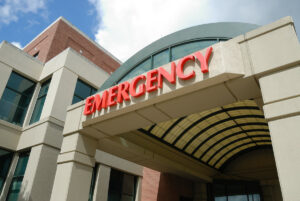
 Most severe tooth pain should be treated by your dentist rather than the emergency room. ERs typically cannot provide dental treatment beyond pain medication and antibiotics, leaving the underlying problem unresolved. However, symptoms like difficulty breathing, uncontrolled bleeding, or facial swelling affecting your eyes require immediate emergency care. For dental issues without life-threatening complications, calling your dentist first often leads to faster, more effective treatment even outside regular office hours.
Dental services at Spring St. Dental include treatment for urgent tooth problems. Understanding when to seek emergency medical care versus dental care helps you get the right treatment quickly while avoiding unnecessary hospital visits and expenses.
When Severe Tooth Pain Requires Emergency Room Care
Certain symptoms indicate a medical emergency rather than a standard dental problem. Difficulty breathing or swallowing may signal airway obstruction due to severe infection or swelling. This situation requires immediate ER attention because it can become life-threatening within hours.
Uncontrolled bleeding from your mouth after an injury or tooth extraction needs emergency care if it continues for more than 15 minutes despite applying pressure. Facial trauma with suspected jaw fracture, knocked-out teeth with significant injury, or bleeding accompanied by dizziness also warrant hospital evaluation.
Signs of Spreading Infection
Facial swelling extending to your eyes, fever above 101 degrees, with dental pain, or swelling under your tongue requires emergency room assessment. When an abscess spreads rapidly, bacteria can enter your bloodstream or affect nearby structures. These infections need immediate medical intervention with intravenous antibiotics and possible surgical drainage.
Severe swelling around your jaw and neck can compress your airway. If you notice increasing difficulty opening your mouth, changes in breathing, or rapid progression of swelling, head to the ER immediately. These symptoms indicate a potentially dangerous infection requiring urgent medical stabilization before dental treatment can begin.
Why Your Dentist Should Be Your First Call for Tooth Pain
Emergency rooms lack the equipment and training to treat most dental problems. ER doctors can prescribe pain medication and antibiotics, but they cannot perform root canal therapy, repair broken teeth, or address the source of the infection. You often leave with temporary relief but still need dental treatment within days.
Hospital emergency care costs significantly more than dental treatment for the same problem. Your ER visit might cost hundreds or thousands of dollars for evaluation and medication, followed by additional dental expenses to actually fix the tooth. Many dental practices offer after-hours emergency services or can quickly accommodate urgent situations.
How Dentists Handle After-Hours Emergencies
Most dental offices provide emergency contact information for urgent situations outside regular hours. Your dentist can assess whether your symptoms require immediate attention or can wait until morning. They often have protocols for meeting patients at the office or providing guidance over the phone to manage pain until an appointment.
Severe pain from a cracked tooth, lost filling, or developing infection usually receives same-day or next-day treatment when you contact your dentist directly. Many practices prioritize emergency slots in their schedule because they understand dental pain significantly affects your quality of life and can worsen rapidly without treatment.
Common After-Hours Dental Emergencies and How to Manage Them
Intense pain from a tooth infection often strikes at night when inflammation increases. Rinsing with warm salt water, taking over-the-counter pain medication, and sleeping with your head elevated can help manage discomfort until you reach your dentist. Avoid applying heat to your face, which can worsen swelling.
A knocked-out tooth needs immediate attention, but may not require an ER visit if you can reach your dentist within an hour. Handle the tooth by its crown, rinse it gently if dirty, and try to place it back in the socket. If that fails, keep it in milk or saliva until you get dental care.
Managing Pain While Waiting for Treatment
Lost dental crowns or broken teeth can cause significant discomfort but rarely constitute medical emergencies. Temporary dental cement from pharmacies can protect exposed tooth structure until your appointment. Avoid chewing on the affected side and stick to soft foods to prevent additional damage.
For throbbing pain without swelling or fever, alternating ibuprofen and acetaminophen according to package directions provides better relief than either medication alone. Applying ice packs to your cheek every 15 minutes can reduce inflammation. These measures help you manage symptoms until professional treatment becomes available.
Problems with your mouth or teeth can occur suddenly. You might be injured playing a sport, eating, or even just while doing a seemingly harmless activity. You should know what types of dental problems are considered emergencies, and what to do while waiting to see your dentist. Quick action can make a big difference in saving a tooth, or limiting damage to your mouth or face.
Your family, general, or pediatric dentist or orthodontist may refer you to an oral and maxillofacial surgeon for some dental treatments that require oral surgery. An oral surgeon is a specialist who has graduated from an accredited dental school and also completed additional education and residency related to surgical procedures needed to treat various oral diseases and conditions. An oral surgeon is trained in treating the following conditions:
- Removal of diseased or impacted teeth
- Placement of dental implants
- Treatment of facial trauma involving gums, jaws, nasal cavities, cheekbones, eye sockets, and forehead
- Evaluation of pathologic conditions such as cysts and tumors of the mouth and face or acute infections of the oral cavity, salivary glands, neck, and jaws
- Treatment of facial pain including those caused by temporomandibular (TMJ) problems
- Cosmetic or reconstructive surgery to correct jaw, facial bone, and facial soft tissue problems
- Corrective jaw surgery
- Cleft lip and cleft palate repair
- Surgical treatment for sleep apnea
There are many different techniques that oral surgeons use to accomplish your treatment goals. The choice of techniques may vary between surgeons and should be discussed between you and your surgeon prior to the procedure.
Many oral surgery procedures can be completed in an outpatient setting. Often you are only in the office for a few hours and can return to your regular routine in a matter of days. A good oral surgeon will be able to perform these procedures with little chance of complications, and will be able to provide you with the information you need to understand the recovery process. Your oral surgeon will often collaborate with other specialists, such as an orthodontist or cosmetic dentist, to achieve your ultimate treatment goals.
What is considered an emergency?
Not every dental problem must be treated as an emergency, but some do require professional treatment as soon as possible. This includes a broken or knocked out tooth, lost crowns and fillings, severe toothache, infection, and injuries to the soft tissues of your mouth.
What should I do?
See your dentist as soon as possible to treat the problem and prevent further damage. Here are some steps to take if you experience any of the following common dental emergencies:
- Severe toothache – rinse your mouth with warm water and floss to remove trapped food.
- Swelling – apply a cold compress on the outside of the swollen area. Do not place any painkiller or aspirin against your gums, because it can burn your gum tissue.
- Chipped or broken tooth – if possible, save the piece that has broken off. Rinse both the piece and your mouth with warm water. If it is bleeding, hold gauze on the area. Apply a cold compress to relieve pain and reduce swelling.
- Lost filling – apply dental cement from your drugstore to fill the hollow area until you can see your dentist. Or, try placing a bit of sugarless gum into the area.
- Lost crown –try to replace the crown on your tooth and hold it in place temporarily with dental cement, denture adhesive, or toothpaste.
- Abscess – infections in your mouth can become abscessed, which is a serious condition. Rinse with warm salt water and see your dentist immediately.
- Soft tissue injuries – treat damage to your gums, cheeks, tongue and lips by rinsing with warm salty water. Hold gauze to the specific area to control bleeding, and hold a cold pack to the external area.
Making the Right Decision for Your Situation
Assess your symptoms objectively when tooth pain strikes after hours. Can you breathe normally? Is swelling limited to your gum area around one tooth? Can you control any bleeding with pressure? If you answered yes to these questions, your dentist should be your first point of contact, even outside regular office hours.
Consider the progression of symptoms when deciding where to seek care. Rapidly worsening pain, swelling, or fever suggests a spreading infection and requires urgent evaluation. Stable symptoms that developed gradually over hours or days typically indicate problems your dentist can treat during an emergency appointment without hospital involvement.
Get Prompt Dental Care at Spring St. Dental
We understand dental emergencies happen outside regular business hours and cause significant anxiety. Our team provides guidance for urgent dental situations and works to accommodate emergency appointments quickly. We use advanced technology to diagnose problems accurately and provide effective treatment to relieve your pain and resolve the underlying issue in a calm, relaxed environment.
By nurturing relationships founded on trust, exceptional customer service, and personalized care, we aim to ensure your experience is as positive as possible, even during dental emergencies. Contact Spring St. Dental when severe tooth pain strikes to receive appropriate guidance and prompt treatment for your dental emergency.