Complete and Partial Dentures in Bastrop, TX
Like many things in life, the importance of something is never truly appreciated until it is gone. If you’ve lost your teeth, whether due to injury, tooth decay or gum disease, you surely understand. The good news is that you have options to replace them. Dentures can help restore your way of life by helping you with day-to-day functions, such as eating and speaking, as well as help restore your confidence by improving your appearance and smile. Making a denture is a process that usually takes about 6-12 weeks, however this can vary from one patient to another. It also depends on the type of the denture and the technique the dentist or the laboratory technician uses to make the denture.
Denture Treatment Process Complete dentures are made using your mouth as a model. First, the dentist will take an accurate impression of the upper and lower arches of your mouth. This impression is then sent to the dental laboratory. At the next visit, the dentist will record the relationship of the arches that best resembles your original bite and helps you select the shape and color of the denture teeth and gums. Keep in mind the color of everyone’s gums varies. To make a more natural denture the dentist will help you choose the shade that best matches your mouth. In the subsequent visits the dentist will adjust your bite, test your speech and check the appearance and functionality of the denture teeth and gums. After a satisfactory fit and appearance is achieved, the denture is then sent back to the laboratory for fabrication. Denture Complications While every effort is made to make a good and functional denture, please keep in mind that there is no such thing as a perfect denture. After delivery of the denture, it may require a few adjustment visits and some time for you and your new denture to adapt to each other. The most important point to remember is that adjusting to your new dentures is a process; it sometimes takes a little time to get used to. A new denture can also alter your eating and speaking habits and it may require a bit of practicing before you get comfortable. Finally, due to differences in the shapes of the jaws and the strong muscle movement of the tongue and cheek, a lower denture may be harder to keep in the mouth compared to an upper denture. Different Denture Options There are new advances in making dentures. One such advance is an implant-supported denture that stabilizes the denture. This kind of denture requires the placement of implants in your mouth before making the denture.
Immediate Denture
If you’ve suffered severe tooth decay, injury, or gum disease and need your remaining teeth replaced, an immediate denture can help relieve you of some concerns you may have after the extraction process is complete. An immediate denture, as its name implies, is a denture that is placed in your mouth immediately after your teeth are removed. It makes the transition to dentures less noticeable and also helps keep you performing everyday functions, like chewing and speaking. Immediate Denture Treatment Immediate dentures are made using your mouth as a model. First, the dentist will take an accurate impression of the upper and lower arches of your mouth and establish a bite that best resembles your original bite. The dentist will also help you select the shape and color of the denture teeth and gums. This impression is then sent to the dental laboratory. During the next visit the dentist will adjust your bite, test your speech and check the appearance and functionality of the denture teeth and gums. Sometimes it is necessary to repeat this step to ensure that everything is just right. After a satisfactory fit and appearance are achieved, the denture is then sent back to the laboratory for fabrication. At the subsequent visit, the remaining teeth will be removed and the denture will be delivered. Please note that the extractions may be performed at one visit or they may be removed in two or more visits depending on the number and condition of the teeth to be extracted, the shape of your jaws and your health condition. The dentist will best advise you of the preferred timing for your extractions. Immediate Denture Complications While every effort is made to make a good and functional denture, please keep in mind that there is no such a thing as a perfect denture. After delivery of the immediate denture, it may require a few adjustment visits and some time for you and your immediate denture to adapt to each other. This is due to the fact that when your gums heal following the extractions they will shrink for a period of about 6 months and the denture needs to be re-based or re-lined to fit properly. The most important point to remember is that adjusting to your immediate dentures is a process; in some cases, it takes weeks or months to get used to your immediate denture. An immediate denture can also alter your eating; you will not have the same chewing efficiency as you had with your natural teeth. An immediate denture will also alter your speaking and it may require a bit of practicing before you get comfortable. Keep in mind that due to differences in the shapes of the jaws and the strong muscle movements of the tongue and cheek, a lower denture may be harder to keep in the mouth compared to an upper denture. Fortunately there are new alternatives now, such as implants, which can help restore functionality that is more like natural teeth. You can discuss this possibility with the dentist.
Flexible Payment Options for Your Dental Care
Quality dentistry shouldn’t be limited by insurance restrictions. We accept all major dental insurance and offer multiple financing solutions to fit your budget.
-
Out-of-network benefits accepted—we handle the paperwork
-
Plan for Health membership: no maximums, no waiting periods
-
CareCredit and Alpheon financing with flexible terms
-
Transparent cost estimates before treatment begins
Partial Denture
Partial dentures are replacement teeth for people who have lost one or more of their teeth. Partial dentures can be taken in and out of the mouth and consist of a denture base, which closely resembles the color of your gums and denture teeth, which are attached to a supporting framework. The partial denture then attaches to the existing teeth via a clasp or some other retentive device. Partial dentures are made using a model of your mouth. Making a partial denture requires about 6-8 weeks, however this can vary from one patient to another. It also could depend on the type of denture and the technique your dentist or the laboratory technician uses. Partial Denture Treatment The first step in making a partial denture is the preparation of the teeth. During this phase your dentist may prepare the teeth that the partial denture will use for support. Next, your dentist will take an accurate impression of the upper and lower arches of your mouth and records your bite. The impressions are then sent to the dental laboratory. At the subsequent visits your dentist will evaluate your bite, test your speech and check the appearance and function of the partial denture teeth and gums. After the final satisfactory fit and appearance are achieved, the denture is then sent back to the laboratory for final fabrication. Partial Denture Complication While every effort is made to make a good and functional partial denture, it may require a few adjustment visits and a little time for you and your partial denture to adapt to each other. The most important point to remember is that adjusting to your partial denture is a process; in some cases, it takes weeks to get used to a partial denture. A new partial denture can also alter your eating and speaking habits and it may require a bit of practicing before you get comfortable. Different Types Of Partial Dentures There are newly developed techniques in making partial dentures. One such advance is an implant-supporting partial denture that helps give additional support to the partial denture. While it offers additional support it also requires the placement of implants in your mouth before making the denture. There is also a partial denture that uses a special material called valplast which is more aesthetically pleasing to the eye. This kind of partial does not use metal as its base and has hooks that are made with a flexible plastic material. Stayplate (Temporary Denture) If you are scheduled to have a tooth pulled before getting your partial denture, then your dentist may advise you to get a temporary partial denture or a stayplate while your gums and their supporting bone are healing. A stayplate will replace the missing tooth or teeth and can help you with your chewing and speaking until a more permanent solution is achieved. A stayplate will also help maintain your appearance when in public and keep your existing teeth from shifting in your mouth and creating bigger problems.
The Stayplate Treatment
Stayplates are made using your mouth as a model. First, your dentist will take an accurate impression of the upper and lower arches of your mouth and establish a bite that best resembles your original bite. Your dentist will also help you select the shape and color of the stayplate teeth and gums. This impression is then sent to the dental laboratory. At the subsequent visit, the teeth will be removed and the stayplate will be delivered. What You Should Know Please keep in mind that there is no such a thing as a perfect stayplate. After delivery, it may require a few adjustment visits and some time for you and your stayplate to adapt to each other. Stayplates can also alter your eating; you will not have the same chewing efficiency as you had with your natural teeth. Stayplate will also alter your speaking and it may require a bit of practicing before you get comfortable. The most important point to remember is that adjusting to your stayplate is a process and stayplate is a temporary replacement until another form of treatment such as an implant, bridge or a partial denture can be made.
Caring for Dentures
Frequently Asked Questions
How much do complete and partial dentures cost in Bastrop, TX?
The cost of dentures at Spring St. Dental varies based on the type and complexity of your individual needs. We offer both complete (full) and partial dentures as part of our comprehensive restorative dentistry services. However, we also specialize in innovative alternatives that bridge the gap between traditional removable dentures and expensive fixed restorations. Our full arch restoration options range from $17,500-$24,000 per arch, providing a fixed solution that’s significantly more comfortable and stable than traditional dentures while being more affordable than competitors like Clear Choice. As an out-of-network provider, we work with your insurance company to maximize any available benefits by filing claims on your behalf, verifying your benefits before treatment, and providing detailed cost estimates. We offer financing options through CareCredit, Alpheon, and Cherry, plus our Plan for Health membership program that provides 20% off all treatments for uninsured or underinsured patients. During your consultation, our experienced team will discuss all options and help you choose the best solution for your budget and lifestyle needs.
What's the difference between complete and partial dentures?
Complete dentures replace all teeth in either your upper or lower jaw (or both), while partial dentures only replace some missing teeth when you still have healthy natural teeth remaining. At Spring Street Dental in Bastrop, complete dentures rest on your gums and are held in place by suction or adhesive. They require removal of any remaining teeth. Partial dentures attach to your existing healthy teeth with metal clasps or precision attachments and can be removed for cleaning. Partials help prevent your remaining teeth from shifting and maintain proper jaw alignment. We’ll evaluate your remaining teeth during consultation to determine whether complete or partial dentures are best for your situation.
How long do dentures last?
With proper care, dentures from our Bastrop practice typically last 5-10 years before needing replacement or significant adjustments. Complete dentures generally last 5-8 years, while partial dentures with metal frameworks can last 8-12 years. Flexible partials may need replacement every 5-7 years. Factors affecting longevity include your oral hygiene habits, bone changes in your jaw, teeth grinding, and the quality of materials used. Over time, your jawbone naturally changes shape, which can affect denture fit. We recommend annual checkups to monitor fit and make adjustments as needed. With excellent home care and regular professional maintenance at our Bastrop office, some patients enjoy their dentures for over a decade.
Are dentures covered by dental insurance?
Most dental insurance plans provide coverage for dentures, typically covering 50-80% of the cost after meeting your deductible. Insurance generally covers basic or standard dentures rather than premium options. As an out-of-network provider, Spring St. Dental works with all insurance companies to maximize your available benefits by filing claims on your behalf, verifying your benefits before treatment, and providing detailed estimates of your coverage and out-of-pocket costs. Many insurance plans offer significant coverage for out-of-network providers, and our patients consistently tell us that the exceptional care they receive is well worth any difference in insurance coverage. For patients without insurance or additional expenses, we offer financing options through CareCredit, Alpheon, and Cherry, plus our Plan for Health membership program that provides 20% off all treatments for uninsured or underinsured patients.
What's the process for getting dentures?
Getting dentures at Spring Street Dental involves several appointments over 4-6 weeks. Your first visit includes comprehensive examination, X-rays, and treatment planning. If extractions are needed, we’ll schedule those next, with healing time of 2-4 weeks for conventional dentures. We then take detailed impressions of your mouth and gums. At the next appointment, we’ll try in your dentures to check fit, bite, and appearance, making any needed adjustments. Final delivery includes instructions on insertion, removal, and care. Immediate dentures can be placed the same day as extractions but require more follow-up visits for adjustments as your gums heal. We provide comprehensive aftercare and adjustment services to ensure your comfort.
Can I eat normally with dentures?
Yes, with proper adjustment time and care, you can eat most foods with dentures from our Bastrop practice. Start with soft foods like eggs, fish, soup, and cooked vegetables for the first few weeks while you adapt. Gradually add firmer foods as you become comfortable. Cut food into small pieces and chew slowly using both sides of your mouth. Avoid very hard foods like nuts, hard candy, or ice that could damage your dentures. Sticky foods like caramel can dislodge dentures. With complete dentures, your chewing efficiency will be about 25% of natural teeth, but most patients adapt well. Implant-supported dentures provide much better chewing function, approaching 80% of natural teeth.
How do I care for my dentures?
Proper denture care is essential for longevity and oral health. Remove and rinse dentures after eating to remove food particles. Clean them daily with a soft denture brush and denture cleaner – never use regular toothpaste which can be abrasive. Soak dentures overnight in denture solution or water to prevent warping. Clean your gums, tongue, and any remaining teeth with a soft brush. Handle dentures carefully over a towel or water-filled sink to prevent breaking if dropped. Visit our Bastrop office regularly for checkups and professional cleaning. Never try to adjust or repair dentures yourself – this can cause irreparable damage. Store dentures in water or soaking solution when not wearing them to maintain their shape.
Will dentures affect my speech?
Initially, new dentures may temporarily affect your speech, but most patients adapt quickly with practice. You may notice slight lisping or difficulty pronouncing certain sounds like “s” or “th” during the first few weeks. At Spring Street Dental in Bastrop, we carefully adjust your dentures for proper fit and bite, which minimizes speech issues. Practice reading aloud, speaking slowly, and repeating difficult words to speed adaptation. Well-fitting dentures should feel secure and allow clear speech within 2-4 weeks. If speech problems persist beyond this adjustment period, contact our office for evaluation – you may need minor adjustments for optimal fit. Implant-supported dentures typically cause fewer speech issues due to their superior stability.
What's the adjustment period like for new dentures?
The adjustment period for new dentures typically lasts 2-6 weeks, during which your mouth adapts to the new appliances. Initial discomfort, increased saliva production, and minor sore spots are normal. At Spring Street Dental in Bastrop, we schedule follow-up appointments to make any necessary adjustments during this period. Start with soft foods and gradually progress to firmer foods. Practice speaking and reading aloud to improve speech adaptation. Expect some initial difficulty chewing and possible gagging reflex with upper dentures. Most patients report significant improvement within two weeks and feel comfortable within a month. Don’t try to adjust dentures yourself – contact our office if you experience persistent pain or severe discomfort that doesn’t improve with time.
Can dentures be repaired if they break?
Yes, most denture repairs can be performed at our Bastrop office, though the type of repair depends on the damage. Common repairs include fixing broken teeth, cracked denture base, or loose teeth. Simple breaks can often be repaired the same day, while more complex damage may require sending your dentures to a dental laboratory for 1-2 days. We also provide emergency repair services for urgent situations. However, some damage like extensive cracks or multiple broken teeth may require denture replacement. Never attempt DIY repairs with household glue – this can cause permanent damage and make professional repair impossible. Keep your broken dentures and bring all pieces to our office. We also offer denture relines and adjustments as your mouth changes over time.
Ready to schedule your appointment?
Contact Spring St. Dental today to book your consultation with our experienced team.
Meet The Doctors
At Spring St. Dental, our skilled team is dedicated to providing personalized, high-quality care in a comfortable environment.
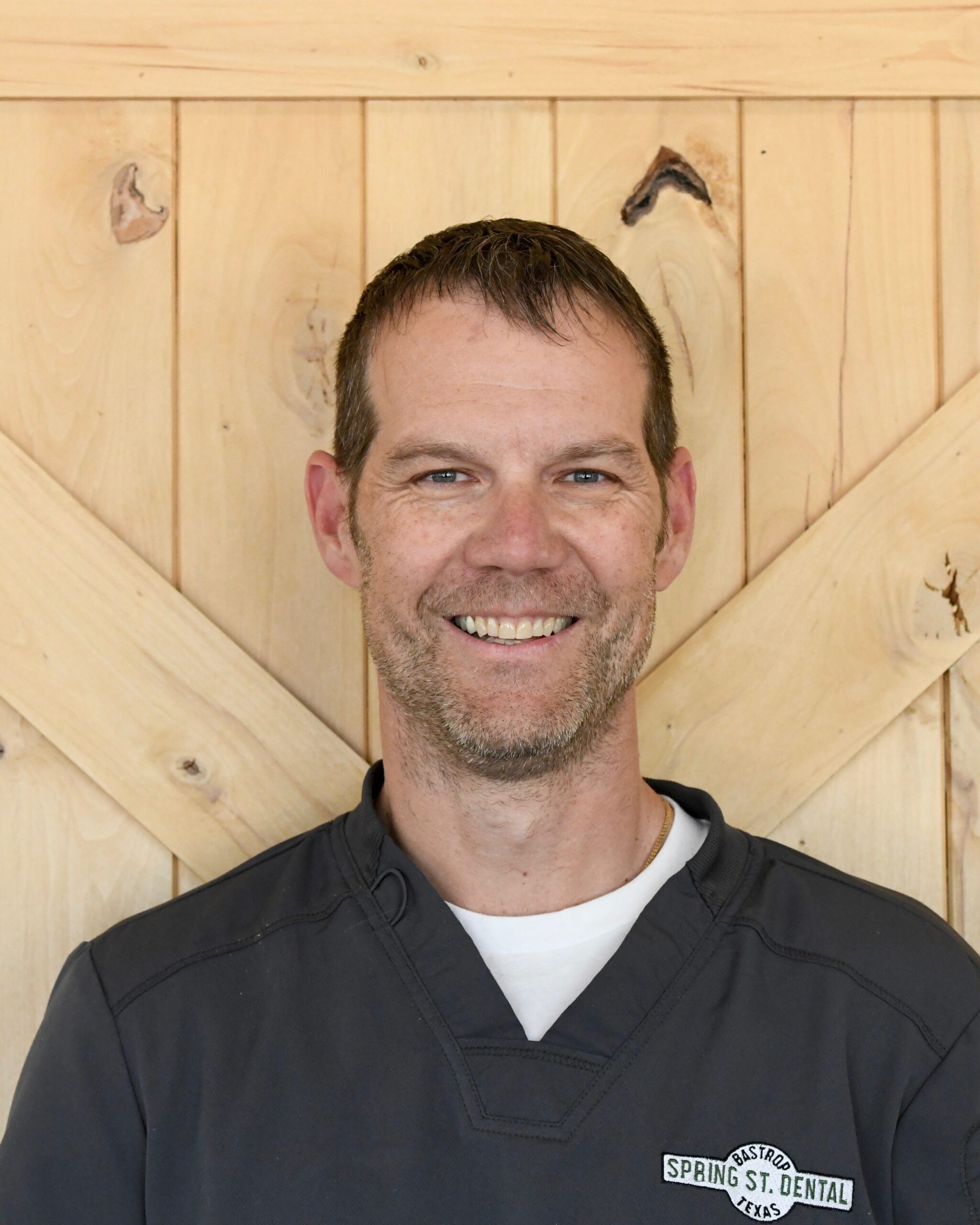
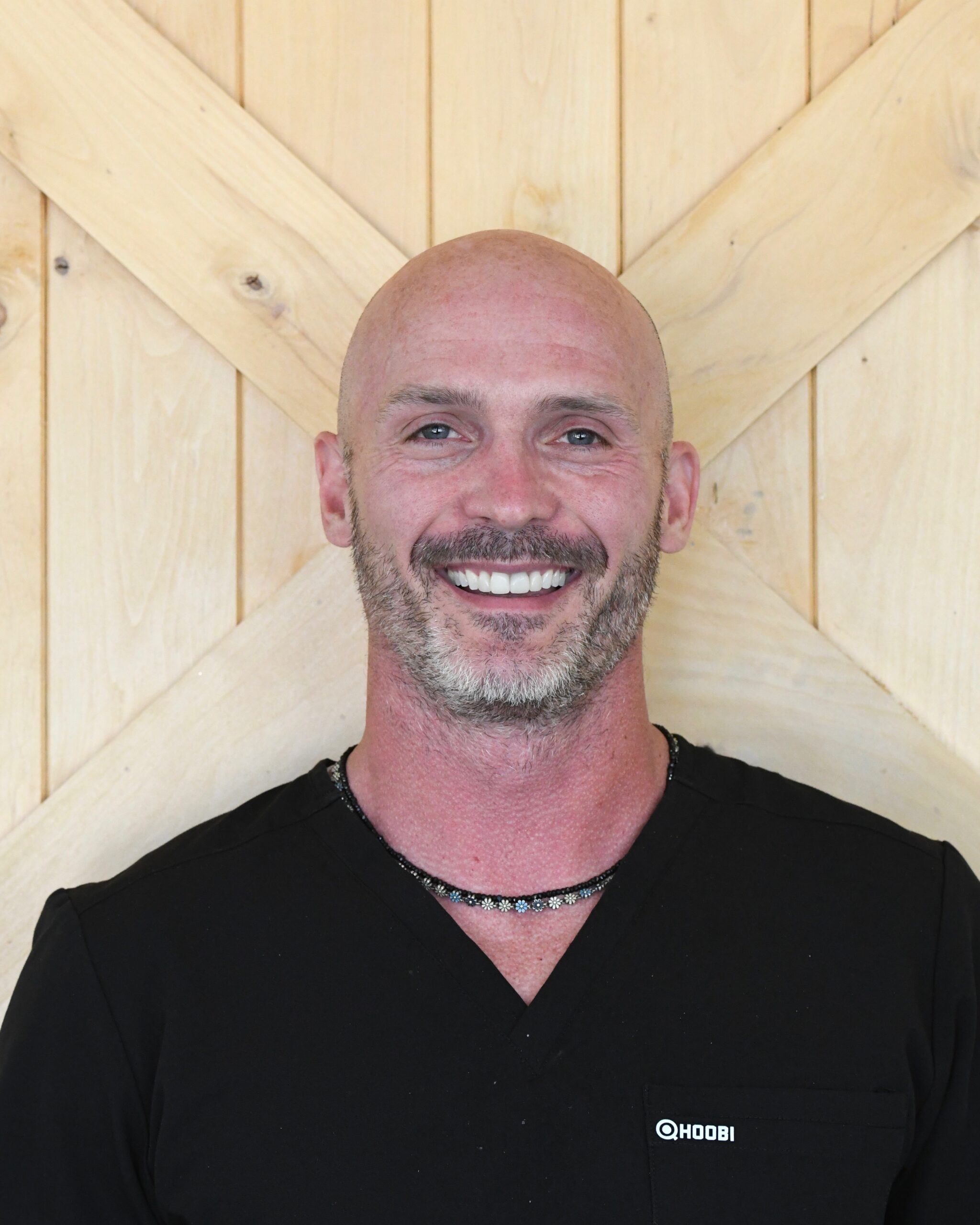
Dr. Matthew Lassen focuses on comprehensive dental care, offering everything from preventive services to advanced treatments like dental implants and root canals. By using state-of-the-art technology, Dr. Lassen ensures that every patient receives the best care for a healthy, beautiful smile.
Dr. Brian Romney specializes in family and cosmetic dentistry, providing services ranging from routine cleanings to advanced cosmetic procedures like veneers and teeth whitening. His patient-first approach and gentle demeanor make him a trusted choice for patients of all ages. Together, Drs. Lassen and Romney are committed to creating a welcoming experience for every patient at Spring St. Dental!
Visit Our Office
We’re conveniently located in the heart of Bastrop, Texas. You can find us at 1207 Chestnut St., just minutes from downtown. Our office offers easy access with plenty of parking available.